
Which compact SUV gives you year-round traction around Madison, WI — the 2026 Mitsubishi Outlander Sport or the 2026 Chevrolet Trax?
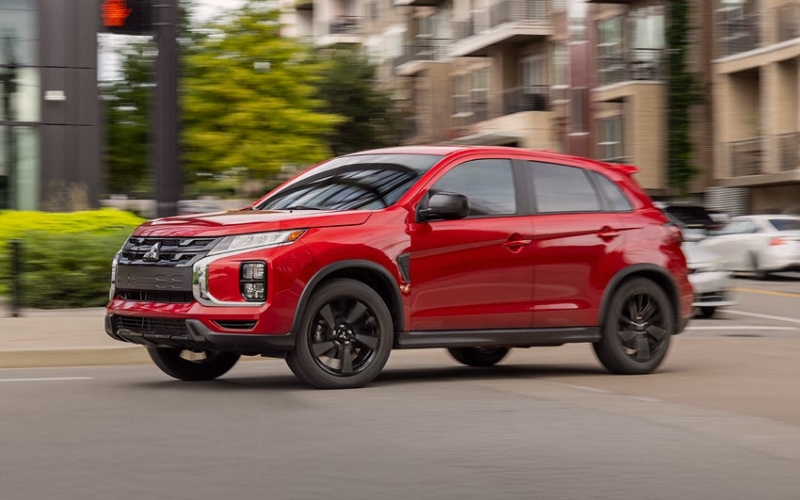
Russ Darrow Waukesha Mitsubishi – Which compact SUV gives you year-round traction around Madison, WI — the 2026 Mitsubishi Outlander Sport or the 2026 Chevrolet Trax?
Shoppers often ask a simple, practical question: which small SUV actually gives me confidence when roads get slick—whether that’s rain-slick intersections, late-fall leaf mulch, or a surprise dusting? Between the 2026 Mitsubishi Outlander Sport and the 2026 Chevrolet Trax, the traction story starts with the basics of drivetrain and suspension. If you’re navigating daily life around Madison, WI neighborhoods, hopping onto the Beltline, or heading across the region on I-94, those fundamentals quickly show up in how settled, quiet, and surefooted each SUV feels.
The short answer: the Outlander Sport bakes in confidence. All-Wheel Control (AWC) is standard on every trim, giving you power to all four corners, while the Chevy Trax stays front-wheel drive across the lineup. Add the Mitsubishi’s multi-link rear suspension, all-disc brakes, and 8.5 inches of ground clearance, and you’ve got a compact SUV that’s engineered to keep you moving predictably when conditions aren’t ideal.
What does AWC do for everyday driving?
All-Wheel Control can help send torque to the wheels with grip, balancing traction when you’re starting from a slick stoplight, cresting a damp driveway apron, or threading through a rutted alley during a thaw. It’s not just for big snow days—it’s for the dozens of small moments when extra assurance keeps everything drama-free.
On the Outlander Sport, AWC is standard, not an upcharge. That means you don’t have to chase a specific trim or package to get the capability many Wisconsin drivers prefer. Trax, by contrast, is FWD-only, so the front tires have to handle both propulsion and steering when the road is greasy.
Chassis hardware matters more than you might think
Chassis tuning and components influence how an SUV feels at 25 mph just as much as they do at 65 mph. Here’s how the two differ underneath:
- Rear suspension design: Outlander Sport uses a multi-link rear for better control and compliance; Trax relies on a torsion-beam axle tuned for simplicity.
- Brakes: Outlander Sport features vented front discs and solid rear discs across trims; many Trax models use rear drums, which can feel less consistent during repeated stops.
- Ground clearance: Outlander Sport stands at 8.5 inches, which can help clear ridge lines or heavy slush; Trax rides lower.
Individually, these details are helpful. Together, they create a calmer, more stable drive when pavement is broken up, crowned, or covered with small layers of wet debris.
Tech and comfort: the features you’ll actually use
Both SUVs deliver the modern essentials—smartphone integration and clear infotainment interfaces. The Outlander Sport equips an 8.0-inch Smartphone-Link Display Audio system with Apple CarPlay and Android Auto as standard, automatic climate control on every trim, and available heated front seats for quick morning warm-ups. Trax offers wireless smartphone mirroring and a larger available screen on certain trims. Where Mitsubishi builds an everyday edge is in convenience you notice the first damp morning—standard rain-sensing wipers and standard rear privacy glass—plus a straightforward control layout that feels familiar within minutes.
Safety features are robust in both vehicles. Outlander Sport includes Forward Collision Mitigation with Pedestrian Detection, Lane Departure Warning, and Automatic High Beam, along with seven airbags (including a driver knee airbag) and RISE body construction. Trax counters with its Chevy Safety Assist suite, which brings Forward Collision Alert with Automatic Emergency Braking, Front Pedestrian Braking, Lane Keep Assist with Lane Departure Warning, and auto high beams. Both do the core work; Mitsubishi adds traction hardware that helps you avoid problems before the safety nets need to step in.
Common follow-up: how does size and maneuverability compare?
The Outlander Sport is a compact footprint SUV built for tight neighborhoods and busy lots. With a 34.8-foot turning circle, it’s easy to nose into parallel spaces or pivot around a tight cul-de-sac after an evening pickup. Trax is still city-friendly but can take a bit more wheel work in the same scenarios. If you park in dense areas, small differences add up to a smoother routine.
Cargo flexibility is a known strength for Trax, which offers a higher maximum cargo volume with the rear seats down. The Outlander Sport counters with a wide, usable space that’s well-shaped for grocery runs, strollers, or weekend gear—plus genuine accessories like crossbars and a roof-mounted bike carrier to free up interior room when needed.
Ownership coverage you’ll feel for years
Mitsubishi backs the Outlander Sport with America’s Best-Backed Vehicles: a 10-year/100,000-mile Powertrain Limited Warranty and 2-Year/30,000-Mile Limited Maintenance, along with five years of roadside assistance. That’s meaningful long after the new-car scent fades, and it’s a core reason many shoppers choose Mitsubishi for daily duty and long-term peace of mind.
Chevrolet’s coverage is competitive, but shorter on the powertrain warranty, and maintenance coverage differs. If lower long-term worry is your priority, the Mitsubishi plan is a compelling advantage.
Frequently Asked Questions:
Is All-Wheel Control standard on every 2026 Outlander Sport?
Yes, All-Wheel Control (AWC) is standard across the Outlander Sport lineup. You don’t need to upgrade trims to get it.
Does the 2026 Chevy Trax offer all-wheel drive?
No, the 2026 Chevrolet Trax is front-wheel drive only.
What safety features come standard on the Outlander Sport?
Forward Collision Mitigation with Pedestrian Detection, Lane Departure Warning, Automatic High Beam, seven airbags including a driver knee airbag, Active Stability Control, and Rear Seat Alert are standard.
How does the Outlander Sport handle rough or slushy streets?
AWC, multi-link rear suspension, all-disc brakes, and 8.5 inches of ground clearance combine to maintain stability and traction when surfaces are wet, rutted, or slushy.
For shoppers comparing these two compact SUVs, traction and composure tend to be the deciding factors. If your daily routine spans neighborhood streets, quick highway ramps, and the occasional gravel turnout, the Outlander Sport’s hardware advantage shows up every day, not just in extreme weather.
Ready for a tailored walkaround and a drive that highlights the difference? Russ Darrow Waukesha Mitsubishi is serving Milwaukee WI, Madison, and Racine with knowledgeable guidance and a straightforward process. One visit and a short test loop are usually all it takes to feel why the Outlander Sport stands out.
0 comment(s) so far on Which compact SUV gives you year-round traction around Madison, WI — the 2026 Mitsubishi Outlander Sport or the 2026 Chevrolet Trax?