
Outlander Cargo, Roof Rack, and Towing Accessories Installation in Brookfield, WI
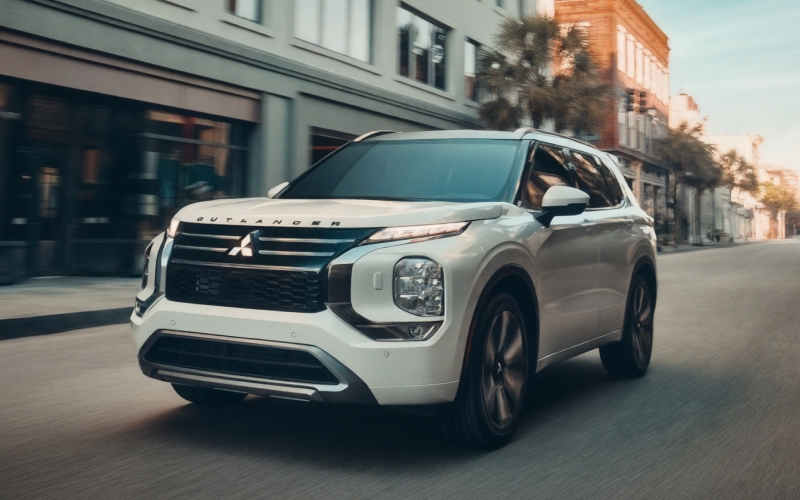
Russ Darrow Waukesha Mitsubishi – Outlander Cargo, Roof Rack, and Towing Accessories Installation in Brookfield, WI
Planning to expand your Mitsubishi Outlander’s cargo or towing capability around Brookfield, WI? Whether you are loading bikes for the Greenway Trail, securing a cargo box for a Brookfield Square run, or prepping a small utility trailer for weekend projects, the right OEM accessories make every trip smoother. This guide explains how to choose roof systems, cargo protection, and towing hardware that fit your Outlander perfectly—while preserving safety systems and everyday drivability.
Why OEM Accessories Beat One-Size-Fits-All Options
Outlander rooflines, spoiler profiles, and bumpers vary by model year and trim. OEM crossbars, carriers, hitches, and wiring harnesses are engineered around those details, so they bolt on cleanly and minimize wind noise, paint wear, and electrical headaches. That precision matters on Bluemound Road merges and at highway speeds on I-94; you want a quiet, stable setup that does not interfere with liftgate operation or driver-assistance sensors. With OEM parts, weight ratings match the vehicle’s roof and frame, torque specs are documented, and instructions are designed for your exact configuration.
Another advantage is technology compatibility. Installing a genuine trailer harness maintains isolation and proper power distribution to protect your Outlander’s electrical system, while factory crossbars sit at positions that support panoramic roof clearance and rack balance. It all adds up to less guesswork and more confidence on errands, school runs, and weekend escapes.
Roof Systems: Crossbars, Cargo Boxes, and Carriers
Start with crossbars that match your roof style (raised rails vs. flush rails) and confirm load capacity. Then select cargo attachments sized to your activities and parking realities. Tall garages along North Calhoun Road or tight ramps at Brookfield Square favor low-profile boxes and shorter-bike carriers. If you split time between city errands and Lake Country getaways, a box-and-rail combo offers flexible space without sacrificing access to the rear hatch.
- Crossbars: Choose bars engineered for your Outlander’s rail type and follow torque specs to prevent rail deformation.
- Cargo boxes: Confirm length to avoid hatch contact; pick dual-side opening for easy access in tight lots.
- Bike carriers: Match to frame style; wheel-mount carriers help avoid contact with carbon frames.
- Kayak/ski racks: Use model-specific cradles and proper tie-down points for balanced load and stable tracking.
- Wind management: Fairings reduce noise on I-94; align position to minimize buffeting at typical cruising speeds.
Always reference the owner’s manual for roof load limits. Your accessory capacity includes the weight of crossbars and carriers, not just the gear.
Towing: Hitch Classes, Wiring, and Everyday Usability
For light-duty utility trailers, bike platforms, or a small cargo rack, select an Outlander-specific hitch with a rating that exceeds your intended load. An OEM-style wiring harness is equally important; it preserves vehicle electronics by routing power correctly and preventing feedback that can confuse lighting modules. Professional installation ensures proper fastener torque, corrosion protection at mounting points, and tidy routing that will not chafe against heat shields or suspension parts.
- Hitch selection: Match receiver size and rating to your needs; confirm bumper and kick-sensor compatibility if equipped.
- Wiring harness: Choose a plug-in, model-specific kit with correct connectors and fusing.
- Load distribution: Keep tongue weight within limits and balance cargo to reduce sway on windy stretches.
- Visibility and clearance: Verify platform or rack clearance for driveways and speed humps on neighborhood streets.
Before your first tow, test brake lights, turn signals, and running lights in a safe area. Recheck torque on hitch bolts and ball mounts after the first few drives.
Protecting the Cargo Area and Cabin
OEM cargo liners and all-weather mats are high-impact upgrades for daily life. Deep edges catch slush and grit, while precise fit keeps mats anchored and out of pedal travel. For families juggling sports gear or weekly warehouse runs, this simple step maintains resale value and makes cleanup faster.
- Cargo liners: Edge-to-edge mats with anti-skid texture keep bins and coolers in place.
- Seatback protectors: Shield upholstery when carrying long or abrasive items.
- All-weather mats: Model-shaped mats lock in, prevent bunching, and clean up easily with a hose.
If you frequently lower the third row, consider a tri-fold cargo protector to guard the hinge crease and carpet seams.
Quick Fitment Checklist Before You Buy
- Confirm your exact model year, trim, and roof type to select compatible crossbars and carriers.
- Check roof load and towing limits in the owner’s manual; include accessory weight in your math.
- Decide between cargo box vs. open carriers based on garage height and typical gear.
- Choose an OEM hitch and plug-in harness to protect electrical systems and support stable towing.
- Plan installation timing so you can test-fit and torque-check before a longer trip.
Small steps—like using a calibrated torque wrench—pay dividends in quiet operation and long-term durability.
Frequently Asked Questions:
Can I install crossbars and a cargo box myself?
Many owners do, but OEM bars still require proper torque and spacing. If you prefer, schedule installation to ensure correct clamp force and hatch clearance.
Will a hitch or cargo carrier affect rear sensors or a hands-free liftgate?
Some accessories can impact detection zones. OEM hitches and specific mounting positions help preserve feature operation; we will review options for your trim.
Do I need wiring if I am only using a hitch-mounted bike rack?
No lighting is required for most bike racks, but confirm with local regulations. Trailer use requires an appropriate wiring harness.
What is the best way to keep roof noise down on the highway?
Use OEM crossbars, ensure proper spacing, add a fairing if needed, and remove attachments when not in use.
How often should I recheck torque on crossbars and hitch hardware?
Recheck after initial installation, again after the first few drives, and at regular intervals—especially before road trips.
Can you help me choose between a cargo box and a platform rack?
Yes—tell us about your garage height, gear mix, and trip frequency. We will match capacity and convenience to your routine.
When you are ready to upgrade, our team will size, source, and install the correct accessories for your Outlander. We support Brookfield drivers as well as neighbors near Pewaukee, WI, with VIN-verified parts, documented torque specs, and professional wiring that keeps your Mitsubishi happy for the long haul. Count on Russ Darrow Waukesha Mitsubishi for factory-fit solutions that make daily driving and weekend adventures simpler, quieter, and more organized.
0 comment(s) so far on Outlander Cargo, Roof Rack, and Towing Accessories Installation in Brookfield, WI