
Brake Pad and Rotor Replacement — Warning Signs, Service Steps, and Local Tips in Waukesha, WI
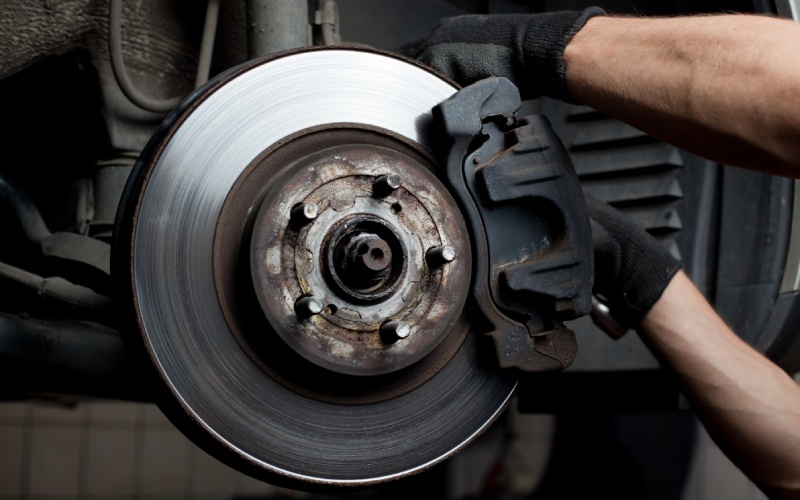
Russ Darrow Waukesha Mitsubishi – Brake Pad and Rotor Replacement — Warning Signs, Service Steps, and Local Tips in Waukesha, WI
When your commute takes you from Downtown Waukesha to business parks off Bluemound Road, your brakes put in real work. Frequent stops, roundabouts, and downhill stretches toward the Fox River bridge can magnify brake wear—especially if you carry passengers, carpool, or tow occasionally. If you are hearing a squeal, feeling a shake in the steering wheel when braking, or noticing your pedal feels softer than usual, it is time to look closely at pads, rotors, and brake fluid.
Why Waukesha Driving Wears Brakes Differently
Local driving is a mix of highway and city traffic: I-94 speeds heat rotors, while stoplights along Sunset Drive and Grandview Boulevard test your pads repeatedly. Short trips that never fully dry the rotors can leave surface rust that briefly squeaks in the morning. Add in occasional weekend drives toward Kettle Moraine, and you have a recipe for inconsistent temperatures across the braking system. That variation contributes to uneven pad deposits and rotor thickness differences, which you might feel as a pulse in the pedal or a steering wheel shimmy at 45–65 mph.
Beyond how and where you drive, your vehicle’s weight and wheel size matter. Larger wheels can change leverage on rotors and alter how quickly pads wear. If your vehicle is equipped with advanced driver assistance features like adaptive cruise or collision mitigation, the system may brake more frequently to maintain gaps—something you might not notice, but your pads definitely do.
Clear Warning Signs You Can Hear and Feel
- Squeal or chirp: This high-pitched sound at low speeds often comes from a wear indicator, signaling the pads are nearing the end of their life.
- Grinding: A coarse, metallic scrape suggests pads have worn into the backing plate and may be damaging the rotor surface.
- Pulsation or shake: A rhythmic pulse in the pedal or vibration in the wheel points to rotor thickness variation or uneven pad transfer.
- Soft or low pedal: A spongy feel can indicate moisture-laden fluid, air in the lines, or a master/hydraulic issue.
- Vehicle pull or drag: If the car drifts when braking or feels sluggish afterward, a caliper may be sticking or pads wearing unevenly.
- Brake/ABS light: System diagnostics are needed to confirm sensor, module, or hydraulic concerns.
A brief squeak on a damp morning can be normal, but persistent noise or any shake under braking deserves prompt attention. Acting now helps you avoid warped rotors, uneven pad wear, and more expensive repairs down the road.
Pads vs. Rotors: Resurface or Replace?
Pads are consumable. Once friction material approaches the minimum thickness, replacement is the only safe choice. Rotors require objective measurements: thickness, runout, and surface condition. If a rotor is above minimum thickness and the surface is lightly scored, machining can sometimes restore a proper finish. If the rotor is heat-spotted, cracked, heavily grooved, or too thin, replacement is the right call. It is also important to refresh hardware—clips and lubricated slide pins—so pads retract cleanly and wear evenly.
Pad quality matters. OE-spec friction materials are engineered to deliver the intended blend of stopping power, noise control, dust levels, and pedal feel for your vehicle. Choosing a compound that is too aggressive for daily commuting can create noise and rotor wear; too soft can lengthen stopping distances under load. The right match preserves braking performance and helps extend rotor life.
What a Professional Brake Service Typically Includes
- Road test to confirm the symptom and note speeds, conditions, and any noises.
- Wheel removal, pad and rotor visual inspection, and hardware check.
- Measurements of pad thickness, rotor thickness, and rotor runout.
- Decision to resurface or replace rotors based on measured specs.
- Installation of OE-spec pads, hardware refresh, and proper lubrication.
- Brake fluid test and recommendation if moisture content is elevated.
- ABS scan (when needed), torque-to-spec, and a final verification road test.
Each step builds confidence. Measuring rather than guessing keeps you from over-replacing parts or missing an underlying cause like a sticking caliper slide.
Timeline and cost drivers vary based on vehicle design, corrosion, and parts availability. Vehicles that see salted winter roads or frequent boat launches may have seized hardware that adds time to the job. Conversely, addressing brake concerns early can keep rotors within machinable range and preserve calipers and hoses, helping you control long-term costs.
Why Choose a Dealer Team for Brake Work
Brake systems integrate with driver assistance and stability control, so accurate diagnostics matter. A dealer service team uses model-specific procedures, torque values, and brake fluid standards, along with OE-level scan tools for ABS and stability systems. That precision helps eliminate comebacks like squeaks, uneven wear, or a steering pull, and it keeps your safety systems working as designed. At Russ Darrow Waukesha Mitsubishi, we pair factory-trained technicians with OEM-grade parts and measurement-driven decisions, so you know exactly what your brakes need—and why.
If you are commuting from neighborhoods near Pewaukee, WI or heading across town on Les Paul Parkway, you can schedule online, drop off early, or wait in our lounge. We service all makes and models, including hybrids, EVs, and diesel vehicles.
Frequently Asked Questions:
How often should I replace brake pads in Waukesha?
Many drivers see 30,000 to 60,000 miles, but hills, traffic, towing, and wheel size can swing that range. Annual inspections help you plan.
Do rotors need to be replaced with every pad change?
No. If rotors meet thickness and runout specs, machining may be an option. If thin or heat-damaged, replacement is safer and often quieter.
Why does my steering wheel shake only when braking from highway speeds?
That points to rotor thickness variation or uneven pad deposits, which become noticeable at 45–65 mph as the pad meets high and low spots.
Is a soft pedal always a sign I need a new master cylinder?
Not necessarily. Moisture-degraded fluid or air in the system can create a spongy feel. Testing and inspection determine the root cause.
Can you service my non-Mitsubishi, hybrid, EV, or diesel?
Yes. We service all makes and models and follow manufacturer specifications for materials, measurements, and brake fluid standards.
Brake confidence starts with accurate measurements, OE-spec parts, and a test drive that confirms everything feels right. If you are noticing squeals, pulsation, or a soft pedal, schedule a brake inspection today. Our team will show you measurements, explain options clearly, and complete the job so your next stop is smooth, straight, and predictable—whether you are navigating downtown errands or merging onto I-94 for a longer drive.
0 comment(s) so far on Brake Pad and Rotor Replacement — Warning Signs, Service Steps, and Local Tips in Waukesha, WI