Rotor Resurfacing vs. Rotor Replacement near Pewaukee, WI

Rotor Resurfacing vs. Rotor Replacement near Pewaukee, WI
Schedule Service

Rotor Resurfacing vs. Rotor Replacement near Pewaukee, WI

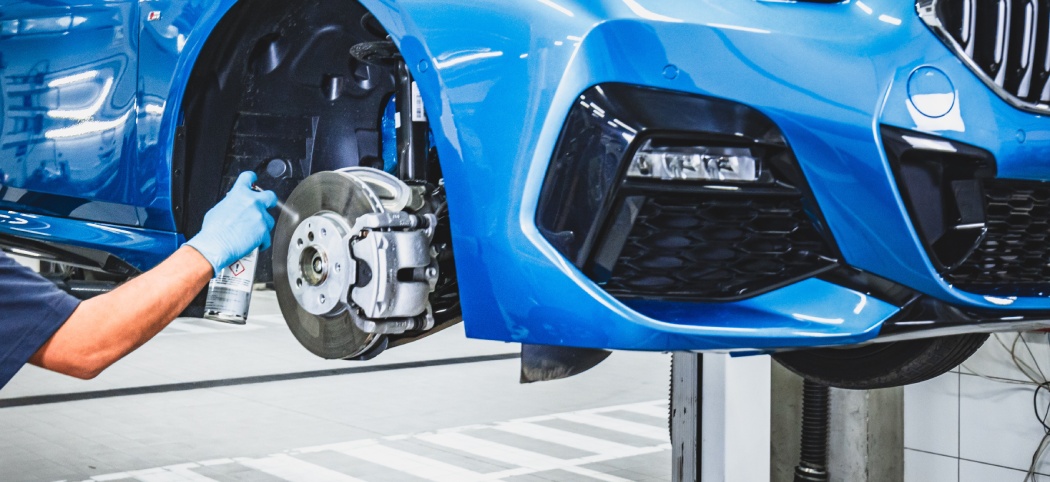
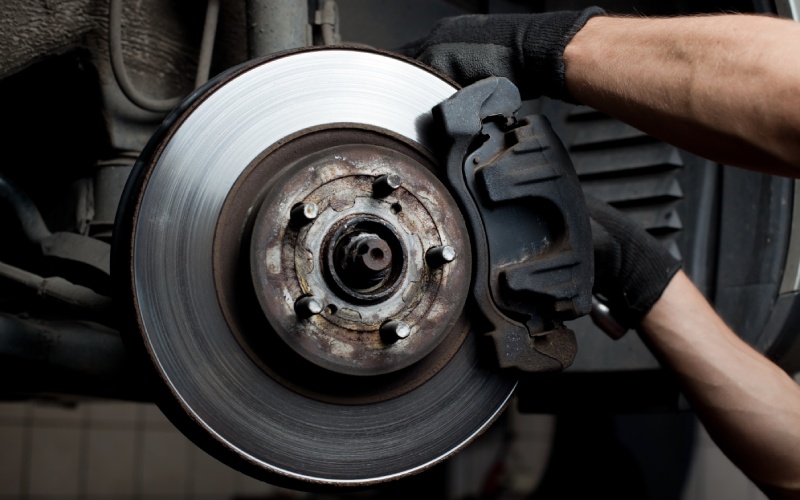
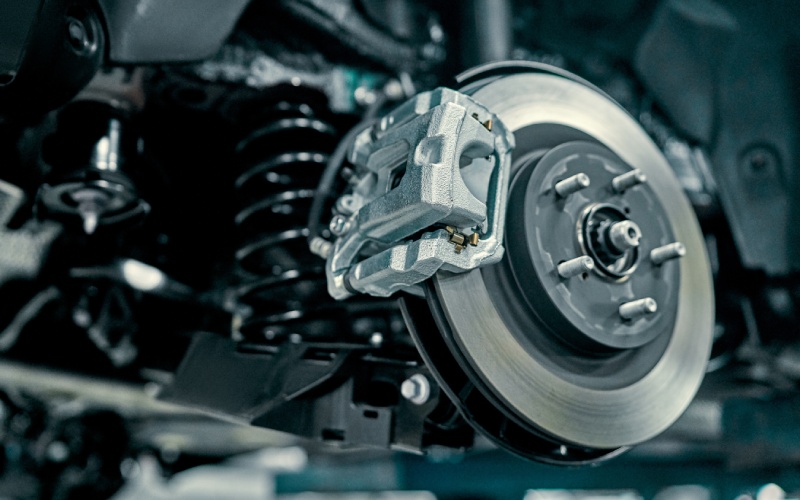
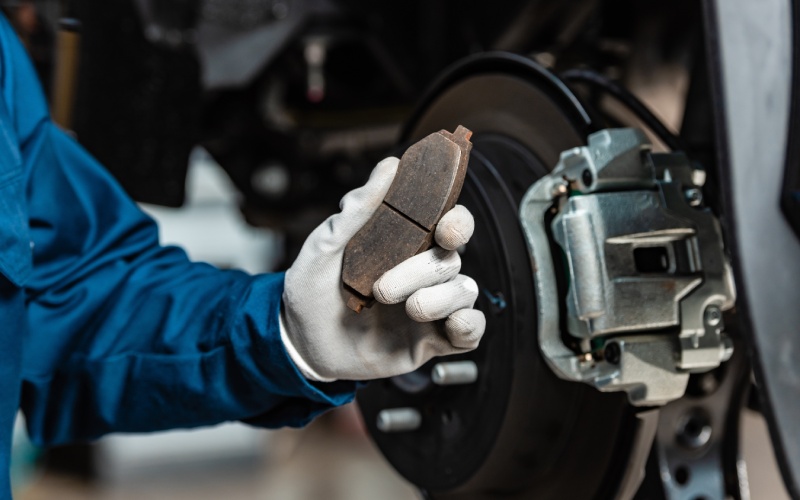
Brake rotors play a direct role in how confidently a vehicle slows, stops, and responds during everyday driving. When the brake pedal is pressed, the pads clamp against the rotors to create friction, converting motion into stopping power. Over time, heat, pressure, pad wear, and driving habits can leave rotors with grooves, thickness variation, rust scale, or vibration concerns. That often leads to one important question: should the rotors be resurfaced or replaced? Russ Darrow Waukesha Mitsubishi helps drivers make that decision with careful inspection, accurate measurement, and service recommendations based on safety rather than guesswork. Resurfacing, also called machining, removes a thin layer of metal from the rotor face to restore a smoother contact surface. Replacement installs new rotors when machining is not safe, practical, or likely to deliver long-lasting performance. For drivers commuting between Waukesha, Pewaukee, Brookfield, and Sussex, brake feel matters during daily errands, highway merges, school drop-offs, and stop-and-go traffic. The right choice depends on rotor condition, remaining thickness, heat damage, brake pad condition, and manufacturer specifications.

Rotor Resurfacing vs. Rotor Replacement near Pewaukee, WI

When Brake Rotors Can Be Machined Safely

  • Enough remaining thickness: A rotor may be machined only if the finished rotor will remain above the manufacturer minimum thickness specification after material is removed.
  • Minor surface wear: Light grooves, glazing, or uneven pad deposits may be good candidates for resurfacing when no deeper structural damage is present.
  • No severe heat damage: Blue discoloration, hard spots, cracks, or heavy scoring usually point toward replacement instead of machining.
  • Correct vehicle use: Vehicles used for frequent towing, heavy commuting, or repeated hard stops may benefit more from replacement if rotor wear is advanced.
  • Compatible pad service: Resurfacing works best when paired with proper brake pad evaluation, correct installation, and bedding procedures.
When Brake Rotors Can Be Machined Safely

Machining is not simply a way to make old rotors look better. A technician must verify that the rotor can be cut evenly without creating excessive runout or reducing heat capacity. If the rotor surface has only mild imperfections, resurfacing can help the new or existing pads make consistent contact, reduce pedal pulsation, and improve smoothness. Our service center uses trained technicians, brake inspections, diagnostics, and quality parts support to guide this decision. A rotor that passes inspection may deliver reliable braking after machining, but a rotor close to its discard point should not be cut just to postpone replacement.

Minimum Thickness Limits and Why Measurement Matters

Minimum rotor thickness is one of the most important safety limits in brake service. Every rotor is designed with a specific thickness range, and the minimum value is normally stamped on the rotor hat or listed in service information. This specification is not optional. It exists because a rotor must have enough metal to absorb and release heat, resist cracking, maintain strength, and keep the brake caliper piston operating within a safe range. During inspection, a technician measures rotor thickness with a micrometer at multiple points around the friction surface, then checks for thickness variation and lateral runout. A rotor may look acceptable at a glance but still measure below specification in a worn area. If machining would leave the rotor below the minimum thickness, replacement is required. Driving with rotors under the limit can increase brake fade, pedal pulsation, stopping distance, noise, and the chance of rotor distortion under heat. At Russ Darrow Waukesha Mitsubishi, our factory-trained team can inspect Mitsubishi models and many other makes, including gas, diesel, hybrid, and EV vehicles. For drivers near Pewaukee, WI, this measurement-based approach is especially helpful because local driving often includes short trips, repeated braking, and varied road speeds that can accelerate uneven wear.

Minimum Thickness Limits and Why Measurement Matters
Cost Comparison and Braking Performance Differences
  • Resurfacing cost factors: Machining may reduce parts expense when the rotor is still within specification, but labor time, pad condition, and vehicle design affect the total service decision.
  • Replacement cost factors: New rotors require more parts investment, yet replacement may save repeat labor when existing rotors are worn, warped, cracked, or too thin.
  • Brake feel after resurfacing: Proper machining can reduce vibration and improve pad contact, although heat capacity remains lower than a new rotor if significant material was removed.
  • Brake feel after replacement: New rotors provide full material thickness, fresh friction surfaces, and strong heat management when paired with quality pads.
  • Long-term value: Replacement often makes more sense when rotors are near minimum thickness, while resurfacing can be practical for mild surface concerns.
Cost Comparison and Braking Performance Differences

The least expensive option is not always the best value. Resurfacing can be smart when the rotor has enough life remaining, but replacement is usually preferred when a driver wants maximum brake smoothness, durability, and heat resistance. Thin rotors heat up faster, and heat is a major cause of fade, vibration, and uneven stopping. New rotors also reduce the chance of a comeback repair if the old rotor was already close to its limit. Genuine Mitsubishi parts can support correct fit, braking consistency, and long-term vehicle value, while professional installation helps protect calipers, pads, sensors, and related hardware.

FAQ

Can rotors always be resurfaced instead of replaced?

No. Rotors can be resurfaced only when enough material remains above minimum thickness and no cracks, severe scoring, excessive runout, or heat damage is present. Safety specifications come first.

How do I know if rotor vibration means machining or replacement?

Pedal pulsation can come from rotor thickness variation, runout, pad deposits, or worn suspension parts. A brake inspection with measurements is the best way to identify the correct repair.

Should brake pads be replaced when rotors are machined?

Often, yes. New or properly conditioned pads help create even contact on the fresh rotor surface. Reusing unevenly worn pads can shorten the benefit of resurfacing.

Do EVs and hybrids need rotor service?

Yes. Regenerative braking can reduce pad wear, but rotors may still develop corrosion, glazing, or uneven surfaces. Regular inspections remain important for safe stopping.

Is replacement better for daily driving around Waukesha and Pewaukee?

Replacement is often best when rotors are thin or damaged, while machining may suit mild wear. The right answer depends on measurements, driving habits, and manufacturer specifications.

Schedule Brake Rotor Service With Confidence

If brake noise, vibration, longer stopping distance, or a pulsing pedal has started to affect your drive, schedule a professional brake inspection before the concern grows. Russ Darrow Waukesha Mitsubishi provides brake inspections, brake pad replacement, diagnostics, genuine parts support, and convenient service scheduling for local drivers. Our team is customer-focused, trained to service Mitsubishi vehicles most often, and equipped to work on many makes and models. We can check rotor thickness, pad wear, caliper operation, brake fluid condition, hardware, and related components so the recommendation is clear and practical. If resurfacing is safe, our team can explain why. If replacement is the better path, our team can review the benefits of new rotors and compatible brake parts without unnecessary pressure. Drivers near Pewaukee, WI can book service online, contact our service department, or visit our Waukesha location at W226 S1700 Wisconsin 164. Keeping brakes in top condition supports smooth stopping, confident control, and long-term vehicle care. Schedule brake service with Russ Darrow Waukesha Mitsubishi today and let our technicians help choose the right rotor repair for your vehicle.


Contact Us

We would love to hear from you! Please fill out this form and we will get in touch with you shortly.
  • This field is for validation purposes and should be left unchanged.

Russ Darrow Waukesha Mitsubishi 43.0134286, -88.2001945.